

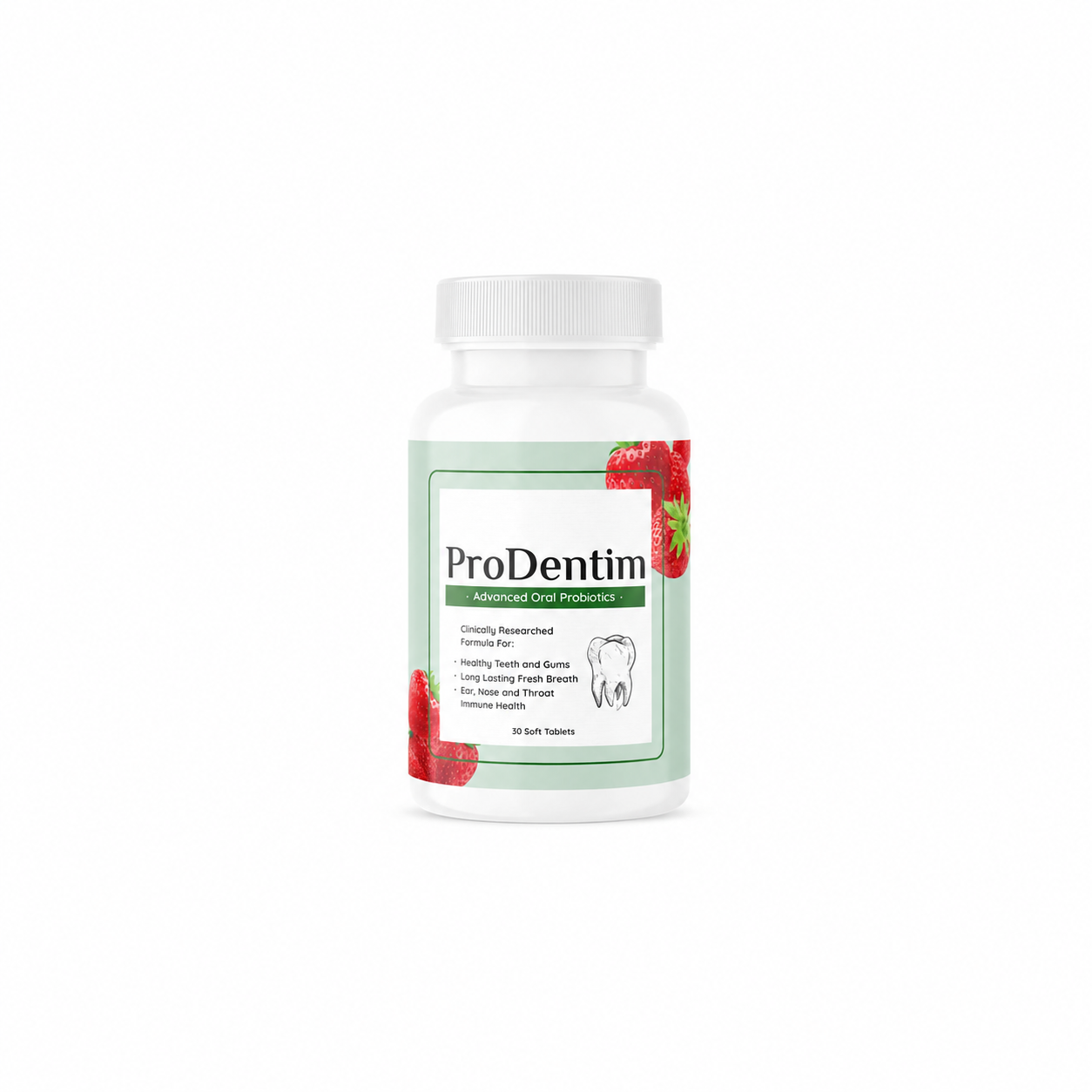
Buy Now [ ProDentim] On The Official Site – Discounted Valid Only Today With Guarantee. You Have 60 Days Money Back Guarantee.
“Order Now”
Gum Health and Oral Probiotics: Everything You Need to Know
A healthy smile is about much more than white teeth. Strong gums, fresh breath, and a balanced oral microbiome all play important roles in maintaining long-term oral health. Unfortunately, millions of people experience common problems such as gum disease, cavities in teeth, gum inflammation, and persistent bad breath.
Good oral care begins with daily brushing and flossing, but modern research also highlights the importance of beneficial bacteria. This is why oral probiotics, dental probiotics, and mouth probiotics have become increasingly popular as part of a complete oral hygiene routine.
In this guide, you’ll learn how to protect your teeth and gums, understand the causes of common dental problems, and discover how products like ProDentim may complement a healthy oral care routine.
Why Oral Health Matters
Your mouth contains billions of bacteria. While many are beneficial, harmful bacteria can contribute to plaque buildup, gum irritation, and tooth decay when they become unbalanced.
Maintaining good oral hygiene supports not only your teeth and gums but also your overall well-being. Healthy daily habits can help reduce the risk of common dental concerns and promote long-lasting oral wellness.
Common Gum Problems
Many adults experience gum problems at some point in their lives. Early warning signs may include:
- Red gums
- Swollen or tender gums
- Bleeding while brushing
- Persistent bad breath
- Receding gums
- Sensitivity around the gum line
Recognizing these symptoms early allows you to seek appropriate dental care before the condition becomes more serious.
What Causes Gum Disease?
Understanding gum disease causes is the first step toward prevention.
Some of the most common causes include:
- Poor oral hygiene
- Smoking or tobacco use
- Excessive plaque buildup
- Certain medical conditions
- Hormonal changes
- Poor nutrition
- Dry mouth
Without proper care, plaque can harden into tartar, making professional cleaning dental visits even more important.
“Order Now”
Plaque on Teeth and Dental Plaque
One of the biggest threats to healthy gums is plaque on teeth.
Plaque is a sticky film of bacteria that forms continuously on tooth surfaces. If it is not removed through brushing, flossing, and regular dental cleanings, it can harden into tartar.
Excess dental plaque increases the likelihood of gum irritation, cavities, and other oral health concerns.
Daily brushing twice a day and flossing once daily remain among the best ways to control plaque buildup.
Cavities and Tooth Decay
Many people develop cavities in teeth due to bacteria that produce acids capable of weakening tooth enamel.
If left untreated, a small cavity may eventually become a decayed tooth, requiring more extensive dental treatment.
Common warning signs include:
- Tooth sensitivity
- Pain when eating sweets
- Visible holes in teeth
- Toothache
- Discoloration
Routine tooth check up appointments help dentists identify cavities early, often before symptoms become severe.
The Importance of Professional Dental Care
Even excellent brushing cannot remove hardened tartar.
Regular visits to a dentist for gum disease evaluation or routine preventive care allow dental professionals to monitor your oral health and recommend appropriate treatment when necessary.
Professional examinations, dental cleanings, and personalized advice are essential parts of maintaining healthy teeth and gums throughout life.
Building Better Teeth Care Habits
Good teeth care starts with consistent daily habits:
- Brush for at least two minutes twice daily.
- Floss every day.
- Limit sugary snacks and drinks.
- Drink plenty of water.
- Replace your toothbrush every three months.
- Visit your dentist for regular preventive checkups.
These simple habits create the foundation for healthier teeth, stronger gums, and fresher breath.
Supporting Gum Health with Better Oral Care
Understanding Gingivitis
One of the earliest stages of gum disease is gingivitis. This condition develops when plaque accumulates along the gum line, causing irritation and inflammation.
Common signs include:
- Red gums
- Swollen gums
- Bleeding during brushing or flossing
- Tenderness around the teeth
- Persistent bad breath
The good news is that gingivitis is often reversible when addressed early with proper oral hygiene and professional dental care.
Gingivitis Treatment
Effective gingivitis treatment usually begins with improving daily oral care habits.
Dentists commonly recommend:
- Brushing twice a day with fluoride toothpaste
- Flossing daily
- Professional dental cleanings
- Reducing sugar intake
- Using antibacterial mouth rinses when appropriate
Treating gingivitis early helps lower the risk of more advanced gum problems.
Gingivitis Treatment at Home
Many people search for gingivitis treatment at home.
While home care cannot replace professional dental treatment, healthy habits may support gum health:
- Brush gently using a soft-bristled toothbrush.
- Floss carefully every day.
- Rinse with an alcohol-free mouthwash if recommended by your dentist.
- Stay hydrated.
- Eat foods rich in vitamins and minerals.
- Avoid smoking.
If bleeding, swelling, or pain continues, schedule a dental appointment promptly.
Gum Inflammation
Gum inflammation is your body’s response to bacteria that collect around the teeth.
Ignoring inflammation can allow bacteria to spread deeper below the gum line, increasing the risk of more serious gum disease.
Reducing plaque through daily cleaning and regular dental visits remains one of the best preventive strategies.
Treatment for Gum Recession
Gum recession occurs when gum tissue gradually pulls away from the teeth, exposing more of the tooth root.
People looking for treatment for gum recession should consult a dental professional as early as possible.
Treatment depends on the cause and severity but may include:
- Deep professional cleaning
- Improved oral hygiene techniques
- Gum graft procedures in advanced cases
- Monitoring by a dentist for gum recession
Early evaluation often leads to better long-term outcomes.
The Growing Interest in Oral Probiotics
Researchers have become increasingly interested in the role of beneficial bacteria in maintaining oral balance.
Unlike harmful bacteria that contribute to plaque and bad breath, beneficial bacteria may help support a healthier oral environment.
This has increased interest in:
- Oral probiotics
- Dental probiotics
- Mouth probiotics
- Oral health probiotics
These products are designed to complement—not replace—good oral hygiene practices.
What Are Dental Probiotics?
Dental probiotics contain selected strains of beneficial bacteria intended to support the natural balance of microorganisms in the mouth.
Many people include them in their daily wellness routine alongside:
- Regular brushing
- Flossing
- Healthy nutrition
- Routine dental checkups
Research into oral probiotics continues to grow, although results may vary from person to person.
Oral Probiotics for Bad Breath
Bad breath can have many causes, including poor oral hygiene, dry mouth, plaque buildup, and certain medical conditions.
Some people explore oral probiotics for bad breath or probiotics for bad breath as part of their daily oral care routine.
Maintaining clean teeth, staying hydrated, and visiting your dentist regularly remain essential steps for managing persistent bad breath.
Probiotic Toothpaste and Probiotic Mouthwash
In addition to supplements, many consumers are interested in products such as probiotic toothpaste and probiotic mouthwash.
These products are designed to complement traditional brushing and rinsing by supporting a balanced oral environment.
When choosing oral care products, look for those from reputable manufacturers and continue following your dentist’s recommendations for daily hygiene.
Vitamins for Strong Teeth and Healthy Gums
Nutrition plays an important role in maintaining healthy teeth and gums.
Many people search for vitamins for teeth, best vitamins for teeth and gums, or vitamins for strong teeth.
Nutrients commonly associated with normal oral health include:
- Vitamin D
- Vitamin C
- Calcium
- Phosphorus
- Vitamin A
A balanced diet rich in fruits, vegetables, dairy products, lean protein, and whole grains provides many of these nutrients naturally. When dietary intake is insufficient, a healthcare professional may recommend appropriate supplementation.
Supporting gum health through good nutrition, proper oral hygiene, and regular dental care provides the strongest foundation for maintaining a healthy smile throughout life.
ProDentim Review: Can Oral Probiotics Support Your Daily Dental Routine?
If you’ve been researching ProDentim review articles online, you’ve probably noticed that oral probiotics have become increasingly popular among people looking to support their daily dental care routine.
Unlike traditional oral care products that primarily focus on cleaning the surface of the teeth, oral probiotics are designed to help maintain a healthy balance of beneficial bacteria in the mouth. A balanced oral microbiome may contribute to fresher breath and support overall oral wellness when combined with proper brushing, flossing, and regular dental visits.
It is important to remember that no dietary supplement should replace professional dental care or be viewed as a treatment for dental disease.
ProDentim Reviews: What Do Users Look For?
Many ProDentim reviews focus on factors such as:
- Quality of ingredients
- Ease of daily use
- Taste and convenience
- Manufacturing standards
- Customer satisfaction
- Overall value
When reading product reviews, look for balanced information rather than unrealistic promises. Individual experiences can vary, and the best results are generally achieved when supplements are combined with consistent oral hygiene habits.
Can Oral Probiotics Replace Brushing?
The simple answer is no.
Even if you use oral probiotics, dental probiotics, or other oral health supplements, they should complement—not replace—the fundamentals of good dental care.
Continue to:
- Brush twice daily.
- Floss every day.
- Schedule regular dental checkups.
- Limit sugary foods and drinks.
- Drink enough water throughout the day.
These habits remain the cornerstone of excellent oral health.
Bad Breath: Looking Beyond Quick Fixes
Many people search for bad breath pills hoping for an instant solution.
However, persistent bad breath often has an underlying cause, including:
- Plaque buildup
- Gum disease
- Dry mouth
- Poor oral hygiene
- Smoking
- Certain medical conditions
Instead of relying only on temporary solutions, focus on improving your complete oral care routine. Professional cleanings, daily brushing, flossing, hydration, and a healthy diet are all important for fresher breath.
Daily Checklist for Better Oral Health
A simple routine can make a significant difference over time.
✔ Brush your teeth twice a day.
✔ Floss daily.
✔ Clean your tongue.
✔ Stay hydrated.
✔ Eat a balanced diet.
✔ Reduce sugary snacks.
✔ Visit your dentist every six months.
✔ Consider oral probiotics as part of a complete oral wellness routine.
Consistency is far more important than occasional intensive care.
Frequently Asked Questions
What causes gum disease?
The most common cause is plaque buildup along the gum line. Smoking, poor oral hygiene, certain health conditions, and genetics may also increase the risk.
Can oral probiotics improve oral health?
Oral probiotics are designed to support a healthy balance of beneficial bacteria in the mouth. They should be used alongside brushing, flossing, and regular dental care—not as a replacement.
How often should I have a tooth check up?
Most dentists recommend a routine examination every six months, although some individuals may require more frequent visits depending on their oral health.
Can vitamins help keep teeth strong?
A balanced diet that provides calcium, vitamin D, vitamin C, and other essential nutrients supports healthy teeth and gums. If needed, your healthcare provider or dentist may recommend supplements.
Is ProDentim a replacement for dental treatment?
No. ProDentim is a dietary supplement intended to complement a healthy oral care routine. It should not replace professional dental advice, diagnosis, or treatment.
Final Thoughts
Maintaining excellent oral health requires a combination of healthy daily habits, balanced nutrition, and regular professional dental care. Brushing, flossing, routine tooth check up appointments, and managing dental plaque remain the most effective ways to protect your teeth and gums.
Modern products such as oral probiotics, mouth probiotics, probiotic toothpaste, and probiotic mouthwash can complement a well-rounded oral hygiene routine, but they work best when used consistently alongside proven dental care practices.
If you’re exploring ProDentim reviews and considering adding an oral probiotic to your daily routine, choose products from reputable manufacturers and maintain realistic expectations. Long-term oral wellness comes from consistency, healthy lifestyle choices, and guidance from your dental professional.
By investing in your oral care today, you can enjoy cleaner teeth, healthier gums, fresher breath, and greater confidence in your smile for years to come.