
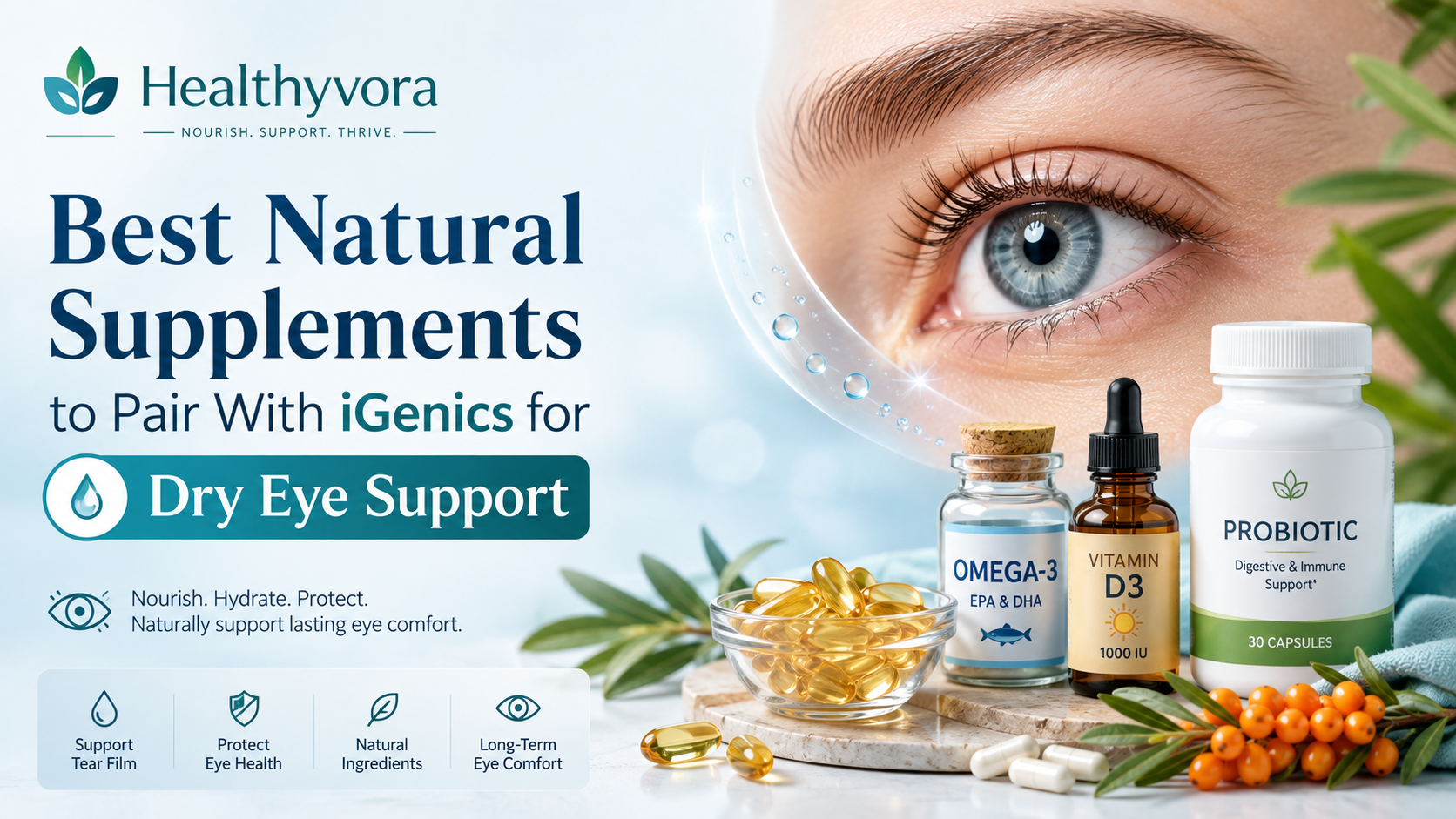
Best Natural Supplements to Pair With iGenics for Dry Eye Support
The best natural supplements to pair with iGenics for dry eye support are generally those that complement its existing eye-health formula rather than duplicate it. Omega-3 fatty acids containing EPA and DHA are the most extensively studied option, although research on dry eye has produced mixed results. Vitamin D may also be useful when a deficiency is confirmed, while sea buckthorn oil and certain probiotic or prebiotic formulas have emerging evidence. Because iGenics already provides several antioxidants, carotenoids, vitamins, minerals, and botanical ingredients, choosing complementary nutrients is more sensible than simply stacking additional eye supplements.
At Healthyvora, the practical approach is to focus on evidence, ingredient overlap, individual dry-eye patterns, and supplement safety rather than assuming that taking more eye-health ingredients automatically produces better results.
Buy Now
What Are the Best Supplements to Take With iGenics for Dry Eye?
For most people exploring nutritional dry-eye support, the most reasonable supplements to discuss with a healthcare professional are omega-3 EPA/DHA, vitamin D when deficient, sea buckthorn oil, selected probiotics or prebiotics, and in some cases gamma-linolenic acid.
- Omega-3 EPA and DHA: the most extensively studied nutritional approach for dry eye, but results are inconsistent.
- Vitamin D3: potentially useful when laboratory testing shows vitamin D deficiency.
- Sea buckthorn oil: a plant-derived source of fatty acids and antioxidants with limited clinical evidence for tear-film support.
- Probiotics and prebiotics: an emerging area of research involving the gut-eye axis.
- Gamma-linolenic acid: an omega-6 fatty acid sometimes studied together with omega-3 fatty acids for ocular-surface inflammation.
These supplements should be viewed as possible adjuncts, not replacements for artificial tears, prescription medications, eyelid care, treatment of meibomian gland dysfunction, or professional eye examinations.
Understand What iGenics Already Contains Before Adding Anything
One of the biggest mistakes when combining supplements is paying attention only to the product name instead of reading the Supplement Facts label.
The current Science Genics product information describes iGenics as an eye-health formula containing AREDS-related nutrients such as lutein, zeaxanthin, vitamin C, vitamin E, zinc, and copper. The formula also includes ingredients such as bilberry and turmeric. Because these nutrients are already present, adding another comprehensive eye multivitamin could unnecessarily duplicate several ingredients.
| Ingredient or Supplement | Already Associated With iGenics? | Pairing Consideration |
|---|---|---|
| Lutein | Yes | Usually avoid adding another high-dose lutein product without a specific reason. |
| Zeaxanthin | Yes | Additional eye formulas may unnecessarily duplicate it. |
| Vitamin C | Yes | Check total daily intake before using another multivitamin. |
| Vitamin E | Yes | Be especially careful when using medications that affect bleeding. |
| Zinc and copper | Yes | Avoid automatically combining multiple AREDS-style products. |
| Turmeric | Yes | Check other supplements for additional curcumin or turmeric. |
| Omega-3 EPA/DHA | Not part of the core listed formula | A potential complementary option, although dry-eye evidence is mixed. |
| Vitamin D | Not listed among the core vitamins on the current product page | Most relevant when deficiency is documented. |
More supplementation is not automatically better. A good combination should fill a nutritional gap without creating unnecessary duplication or interaction risk.
1. Omega-3 Fatty Acids: The Most Studied Complementary Option
Omega-3 fatty acids are probably the first nutritional option most people consider when looking for something to pair with iGenics for dry eye support. The two marine omega-3s most relevant to this discussion are eicosapentaenoic acid, or EPA, and docosahexaenoic acid, or DHA.
DHA is an important structural fatty acid in retinal tissue, while EPA and DHA are involved in pathways associated with inflammatory regulation. This has created considerable interest in omega-3 supplementation for people with dry-eye disease and meibomian gland dysfunction.
However, the evidence deserves careful interpretation. The NIH Office of Dietary Supplements notes that some studies have reported improvements in dry-eye symptoms with EPA and DHA, while a large randomized clinical trial found that high-dose fish oil did not produce significantly greater improvement than placebo. The NIH therefore concludes that evidence for omega-3 supplementation in dry-eye disease remains inconsistent.
How to Choose an Omega-3 Supplement
If your clinician agrees that omega-3 supplementation is appropriate, look at the amount of EPA plus DHA on the label rather than judging a product simply by the total number of milligrams of fish oil.
Quality also matters. People in the United States may want to look for products from established manufacturers that provide transparent testing and clear Supplement Facts information.
There is no universally established EPA/DHA dose for treating dry eye, so avoid assuming that higher doses are automatically more effective.
2. Vitamin D: Most Relevant When You Are Deficient
Vitamin D is a more targeted pairing option than a general eye multivitamin because its usefulness appears particularly relevant for people with low vitamin D levels.
Research has linked vitamin D deficiency with ocular-surface abnormalities, and clinical studies have investigated whether correcting deficiency may improve tear-film measurements and dry-eye symptoms.
A randomized study involving patients who had both dry-eye disease and vitamin D deficiency reported improvement in measures such as tear stability after oral vitamin D supplementation was added to conventional dry-eye treatment. A subsequent meta-analysis also found improvements across several dry-eye measures, although differences among studies mean vitamin D should not be considered a universal dry-eye treatment.
More recently, a 2026 prospective study in vitamin-D-deficient patients also reported greater improvement when systemic vitamin D was added to topical treatment, but the study was relatively small and non-randomized, so larger trials are still needed.
Should Everyone With Dry Eyes Take Vitamin D?
No. Vitamin D makes the most sense when there is a nutritional or laboratory-confirmed need. Asking a healthcare provider whether a serum 25-hydroxyvitamin D test is appropriate is generally more useful than taking high-dose vitamin D simply because your eyes feel dry.
3. Sea Buckthorn Oil: A Promising Plant-Based Option
Sea buckthorn oil comes from Hippophae rhamnoides and naturally contains several fatty acids and antioxidant compounds. It has attracted interest for dry eye because the lipid layer of the tear film plays an important role in slowing tear evaporation.
In a randomized, double-blind clinical trial, participants with dry-eye symptoms received sea buckthorn oil or placebo for three months. The researchers found that sea buckthorn oil reduced the seasonal increase in tear-film osmolarity and produced improvements in some symptoms.
This is interesting evidence, but sea buckthorn oil has nowhere near the research volume available for omega-3 fatty acids. It is best considered a secondary option rather than a proven dry-eye therapy.
Who Might Be Interested in Sea Buckthorn?
People specifically looking for a plant-derived lipid supplement may find it worth discussing with an ophthalmologist, optometrist, physician, or pharmacist. As with any botanical product, check for medication interactions and avoid assuming that “natural” means risk-free.
4. Probiotics and Prebiotics: Emerging Gut-Eye Axis Research
Probiotics are an emerging rather than established supplement for dry-eye support. Researchers are investigating whether intestinal microbiota and systemic inflammatory signaling can influence the ocular surface, an area sometimes described as the gut-eye axis.
Small randomized trials have investigated probiotic and prebiotic combinations in people with dry eye. Some results have suggested improvements in symptoms or tear parameters, while other biomarker findings have been less convincing. The effects may also depend heavily on the specific bacterial strain, dose, and formulation, which means the results of one probiotic cannot automatically be applied to every probiotic sold in U.S. stores.
For that reason, probiotics belong in the “promising but preliminary” category rather than at the top of a dry-eye supplement plan.
5. Gamma-Linolenic Acid May Be Worth Discussing in Selected Cases
Gamma-linolenic acid, or GLA, is an omega-6 fatty acid found in oils such as evening primrose and borage oil. Although omega-6 fats are sometimes discussed negatively, specific fatty acids such as GLA participate in different metabolic pathways and have been studied in combination with omega-3 fatty acids.
A randomized clinical trial in people with moderate-to-severe keratoconjunctivitis sicca evaluated a combination of GLA and omega-3 polyunsaturated fatty acids and reported improvements in several disease measures. The study was relatively small, however, so GLA should not be viewed as a routine requirement for everyone with dry eyes.
Which Supplement Should You Pair With iGenics?
The answer depends on why your eyes are dry. Dry-eye disease is multifactorial, so the same supplement strategy will not fit every person.
| Situation | Supplement to Discuss | Evidence Position |
|---|---|---|
| General nutritional dry-eye support | Omega-3 EPA/DHA | Most studied, but clinical results are mixed |
| Confirmed vitamin D deficiency | Vitamin D3 | Reasonable deficiency-directed approach |
| Interest in plant-based fatty acids | Sea buckthorn oil | Promising but limited evidence |
| Interest in gut-eye research | Specific probiotic/prebiotic formulations | Early evidence |
| Selected inflammatory dry-eye situations | GLA with or without omega-3 | Limited clinical evidence |
Why Dry Eye Support Matters for People in the United States
Dry-eye symptoms can be aggravated by everyday environmental and lifestyle conditions common across the United States. Long hours spent working on computers, smartphones, gaming systems, and multiple monitors can reduce normal blinking patterns and contribute to ocular discomfort.
Climate also matters. People living in dry regions such as Phoenix or Las Vegas may experience substantial exposure to low humidity, while people in colder states can spend months inside heated buildings where indoor air becomes extremely dry. Air conditioning, wind exposure, contact-lens use, seasonal allergies, and prolonged screen time can add additional stress to the tear film.
This is why nutritional support is usually only one part of a more complete dry-eye strategy.
A Better Dry Eye Routine Goes Beyond Supplements
The American Academy of Ophthalmology recommends a range of practical measures for dry eye, including appropriate artificial tears, protection from drying wind, and professional evaluation when symptoms persist. Omega-3-rich foods may also be discussed with an ophthalmologist.
A comprehensive routine may include:
- Using preservative-free artificial tears when appropriate.
- Taking regular breaks during prolonged screen use.
- Blinking fully and intentionally when working at a computer.
- Managing meibomian gland dysfunction if present.
- Using warm compresses when recommended by an eye-care professional.
- Avoiding direct airflow from fans and air-conditioning vents.
- Using a humidifier in very dry indoor environments.
- Eating fatty fish, leafy vegetables, eggs, colorful vegetables, nuts, and seeds as part of a balanced diet.
- Reviewing medications that may contribute to dryness with a clinician rather than stopping them yourself.
- Having persistent symptoms evaluated by an optometrist or ophthalmologist.
How to Safely Combine Supplements With iGenics
A safe supplement combination begins with your existing products, medications, diet, and medical history.
- Read the current iGenics Supplement Facts label. Formulas can change, so never rely only on an old article or product image.
- List every supplement you already use. Include multivitamins, fish oil, herbal formulas, sleep products, and fortified powders.
- Check for duplicate nutrients. Pay particular attention to vitamins A, C, and E, zinc, copper, lutein, zeaxanthin, turmeric, and other eye-health botanicals.
- Add only one new supplement at a time. This makes it easier to recognize side effects or intolerance.
- Discuss potential interactions. This is particularly important if you take prescription drugs or have surgery planned.
- Reassess your symptoms rather than continuously adding products. Persistent dry eye deserves an examination.
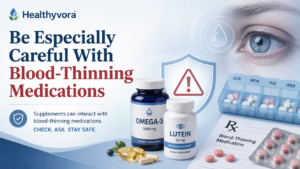
Be Especially Careful With Blood-Thinning Medications
Supplement interactions are important because some iGenics ingredients may overlap with pathways affected by other supplements or medications.
The FDA warns that combining supplements with prescription or over-the-counter medications can cause adverse interactions. It specifically notes that substances such as ginkgo and high-dose vitamin E can increase bleeding concerns when combined with medications such as warfarin or aspirin.
If you use anticoagulants, antiplatelet drugs, regularly take aspirin, have a bleeding disorder, or are preparing for surgery, speak with your physician or pharmacist before combining iGenics with fish oil or additional herbal products.
The FDA also does not approve dietary supplements for effectiveness before they are marketed, making product quality, transparent labeling, and realistic claims particularly important for U.S. consumers.
Buy Now
Common Mistakes When Combining Eye Supplements
Taking Two Complete Eye Formulas Together
Combining iGenics with another AREDS-style multivitamin can duplicate lutein, zeaxanthin, zinc, copper, and antioxidant vitamins without necessarily improving dry-eye support.
Choosing Supplements Based Only on High Milligram Numbers
A higher number on the front label does not automatically mean a better product. The actual ingredient, its form, and the amount of active compounds are more important.
Treating Omega-3 as a Guaranteed Dry-Eye Solution
Some people may benefit, but large clinical trials have produced mixed results. Omega-3 supplementation should therefore be presented as a possible adjunct rather than a proven cure.
Taking Vitamin D Without Knowing Your Status
The strongest rationale for vitamin D supplementation in dry-eye research involves people who are deficient. Testing can provide much more useful guidance than guessing.
Ignoring the Cause of Dry Eye
Dry eye can involve inadequate tear production, excessive evaporation, meibomian gland dysfunction, medications, autoimmune conditions, eyelid problems, contact lenses, environmental exposure, or several factors at once. Supplements cannot identify or correct every cause.
Why Healthyvora Uses a Complementary Approach
The most useful way to think about supplements is not “What can I add next?” but “What is missing from my current routine?”
For someone already taking iGenics, Healthyvora’s evidence-focused approach is to prioritize complementary nutrients rather than duplicating the carotenoids, antioxidant vitamins, minerals, and botanicals already included in the formula.
That means omega-3 fatty acids may deserve consideration before another complete eye multivitamin, vitamin D should be tied to individual nutritional status, and less-established options such as sea buckthorn or probiotics should be presented with appropriate expectations.
This approach keeps the focus on informed decisions rather than supplement stacking.
When Supplements Are Not Enough for Dry Eye
Persistent dry eye may require more than nutritional support. Professional treatment can include artificial tears, prescription anti-inflammatory drops, therapies for meibomian gland dysfunction, tear-conservation approaches, or other treatments depending on the cause.
See an eye-care professional promptly if dryness occurs with substantial eye pain, significant light sensitivity, sudden or persistent vision changes, an eye injury, discharge, severe redness, or symptoms affecting only one eye in an unusual way.
For chronic symptoms, an ophthalmologist or optometrist can evaluate tear production, tear-film stability, eyelid health, meibomian glands, corneal staining, medications, contact-lens factors, and underlying medical conditions.
Final Verdict: What Is the Best Supplement to Pair With iGenics?
Omega-3 EPA and DHA are the most extensively researched complementary supplements for someone already using iGenics, but they are not guaranteed to improve dry eye. Current evidence remains mixed. Vitamin D is a particularly logical consideration for people with confirmed deficiency, while sea buckthorn oil, selected probiotics, and GLA are promising but supported by smaller or less mature bodies of research. see also.
The key is to avoid unnecessary duplication. Since iGenics already includes multiple eye-focused vitamins, minerals, carotenoids, and botanicals, adding another broad eye formula may provide less value than identifying a specific nutritional gap.
Healthyvora encourages readers to compare Supplement Facts labels, review medications and health conditions with a qualified professional, and treat supplementation as one component of a complete dry-eye routine.
Ready to improve your eye-health routine? Use Healthyvora as your starting point for comparing evidence-based nutritional options, then review your current iGenics label and discuss the safest complementary choice with your ophthalmologist, physician, or pharmacist.
Frequently Asked Questions About iGenics and Dry Eye Supplements
1. What is the best supplement to take with iGenics for dry eyes?
Omega-3 fatty acids containing EPA and DHA are the most extensively studied complementary option, although evidence for dry-eye improvement is mixed.
2. Can I take fish oil with iGenics?
Many people can use both, but medication interactions and your total supplement routine should be reviewed first, especially if you take blood-thinning medications.
3. Does iGenics already contain omega-3?
The current Science Genics ingredient information emphasizes vitamins, minerals, lutein, zeaxanthin, bilberry, turmeric, and other eye-health ingredients rather than EPA/DHA fish oil. Always verify your bottle’s current label.
4. Does vitamin D help dry eyes?
Research suggests vitamin D supplementation may help some people who have both dry eye and vitamin D deficiency. It is not established as a universal dry-eye treatment.
5. Can sea buckthorn oil support dry eyes?
A small randomized clinical trial reported improvements in tear-film osmolarity and some symptoms, but additional research is needed.
6. Are probiotics good for dry eye?
Early clinical research is investigating probiotics and the gut-eye axis, but effects appear to be strain-specific and the evidence is not yet strong enough to consider probiotics standard dry-eye therapy.
7. Should I take another eye vitamin with iGenics?
Usually, checking for ingredient duplication first is wiser because another eye formula may contain the same lutein, zeaxanthin, zinc, copper, vitamin C, and vitamin E.
8. How long do natural dry-eye supplements take to work?
There is no universal timeline. Clinical studies typically evaluate outcomes over weeks or months, and individual response varies depending on the cause of dry eye.
9. Can supplements replace artificial tears?
No. Nutritional supplements are adjunctive options and should not automatically replace artificial tears, prescription medications, or treatment recommended by an eye-care professional.
10. When should I see an eye doctor for dry eyes?
Arrange an examination when symptoms are persistent, worsening, affecting vision, or accompanied by significant pain, light sensitivity, injury, discharge, or severe redness.
Medical References
- National Institutes of Health Office of Dietary Supplements: current evidence regarding omega-3 fatty acids and dry-eye disease.
- American Academy of Ophthalmology: dry-eye management and dietary omega-3 guidance.
- U.S. Food and Drug Administration: dietary supplement safety and drug-supplement interactions.
- Clinical research on vitamin D supplementation and dry-eye disease.
- Clinical research on sea buckthorn, probiotics, and fatty-acid supplementation for dry eye.