
Cholibrium Review 2026: Ingredients, Benefits & Safety
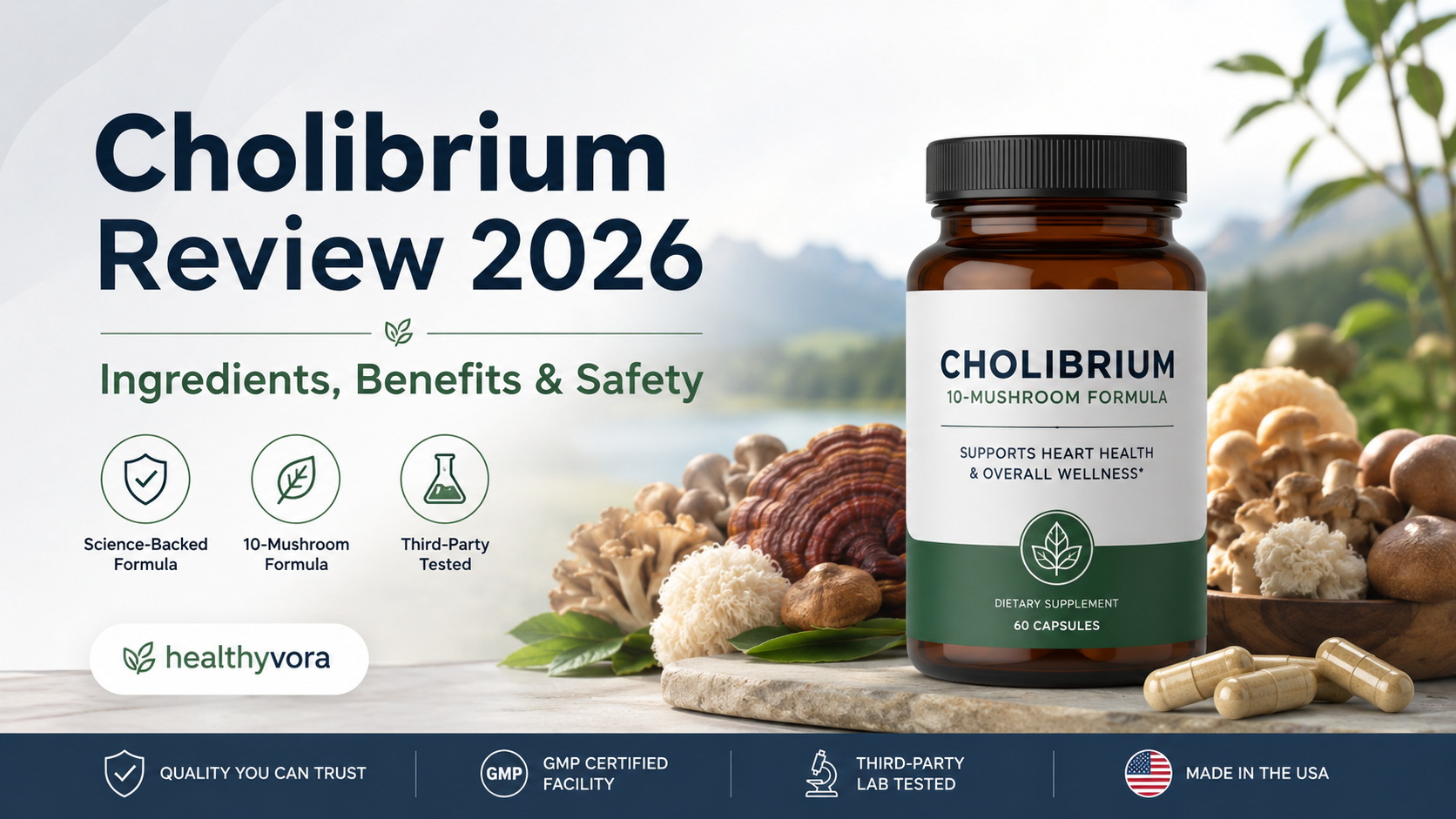
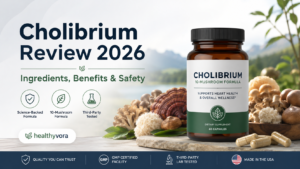
Cholibrium is a dietary supplement from Simple Promise that combines 10 mushroom-derived ingredients in a capsule formula marketed to support cardiovascular wellness, healthy cholesterol levels already within a normal range, antioxidant activity, and general vitality. It is not a prescription cholesterol medication and should not be viewed as a treatment for high cholesterol or cardiovascular disease.
For U.S. consumers researching Cholibrium, the most important questions are not simply whether mushrooms are “natural,” but what the formula contains, how strong the human evidence is, whether it can interact with medications, and how it fits into an evidence-based heart-health plan. HealthyVora takes that practical approach in this guide, separating the product’s stated purposes from what current cardiovascular guidance and scientific research can actually establish.
Buy Now & Save
What Is Cholibrium?
Cholibrium is a capsule-based mushroom supplement marketed as a healthy heart and antioxidant formula. According to the current Simple Promise product information, its formula contains 10 mushrooms and mushroom extracts, including Reishi, Lion’s Mane, Cordyceps, Shiitake, Maitake, Turkey Tail, Chaga, Royal Sun Agaricus, White Button Mushroom, and Black Fungus.
The manufacturer’s current Supplement Facts information lists a serving size of two vegetable capsules. Cordyceps Sinensis Powder, Reishi Mushroom Extract, Shiitake Mushroom Extract, and Lion’s Mane are each listed at 266 mg per serving. Six additional mushroom ingredients appear together in a 266 mg proprietary blend, meaning the amount of each individual ingredient within that blend is not disclosed.
That distinction is useful when evaluating Cholibrium. Knowing that an ingredient is present is different from knowing whether its dose matches the dose used in a particular human study.
Cholibrium is best understood as a multi-mushroom wellness supplement, not as an FDA-approved cholesterol treatment or a substitute for medical cardiovascular care.
Cholibrium Ingredients at a Glance
| Ingredient | Form or Amount Listed | Why It Is Commonly Studied |
|---|---|---|
| Cordyceps Sinensis | 266 mg | Energy metabolism, exercise physiology, and metabolic research |
| Reishi | 266 mg | Polysaccharides, immune activity, and cardiometabolic research |
| Shiitake | 266 mg | Beta-glucans, eritadenine, nutrition, and lipid metabolism |
| Lion’s Mane | 266 mg | Cognitive health and bioactive mushroom compounds |
| Maitake | Part of 266 mg proprietary blend | Beta-glucans and metabolic health research |
| Turkey Tail | Part of proprietary blend | Polysaccharides and immune-related research |
| Chaga | Part of proprietary blend | Antioxidant compounds and laboratory research |
| Royal Sun Agaricus | Part of proprietary blend | Polysaccharides and metabolic research |
| White Button Mushroom | Part of proprietary blend | Beta-glucans and nutritional compounds |
| Black Fungus | Part of proprietary blend | Polysaccharides and traditional dietary use |
The label also lists cellulose for the vegetable capsule, microcrystalline cellulose, and vegetable magnesium stearate among the other ingredients.
How Is Cholibrium Supposed to Work?
The concept behind Cholibrium is that several mushrooms naturally contain compounds such as polysaccharides, beta-glucans, triterpenoids, and antioxidants. These compounds have attracted scientific interest because they may influence metabolic, inflammatory, immune, or oxidative processes.
That does not mean every mushroom ingredient has been clinically proven to lower LDL cholesterol in humans. It also does not prove that combining 10 mushrooms creates a stronger cholesterol-lowering effect.
Reviews of human mushroom research have generally found the cardiovascular evidence to be limited and inconsistent. Some trials suggest improvements in triglycerides or other metabolic markers, while effects on LDL cholesterol, total cholesterol, HDL cholesterol, and blood pressure have not been consistently demonstrated.
Does Cholibrium Lower Cholesterol?
There is not enough high-quality clinical evidence to say that Cholibrium itself has been proven to lower high cholesterol. Evidence involving individual mushrooms should not automatically be treated as clinical proof for the finished Cholibrium formula.
This point is particularly important in the United States because the American Heart Association’s current cholesterol guidance does not recommend dietary supplements as a method for cholesterol management. People with elevated LDL or significant cardiovascular risk may require lifestyle changes, prescription medication, or both under professional guidance.
Research on Reishi illustrates why careful wording matters. Some studies have reported favorable lipid changes, including more recent research involving specific Reishi preparations. However, previous randomized clinical evidence and systematic reviews have produced mixed results, and the studied preparations and doses are not necessarily equivalent to Cholibrium.
A Closer Look at the 10-Mushroom Cholibrium Formula
Reishi Mushroom
Reishi, or Ganoderma lucidum, is one of the better-known medicinal mushrooms. It contains polysaccharides and triterpenoid compounds and has been investigated for immune and metabolic effects.
Human cardiovascular findings remain mixed. This makes Reishi scientifically interesting, but it would be premature to describe it as an established replacement for evidence-based cholesterol treatment.
Lion’s Mane
Lion’s Mane is better known for research involving cognition and the nervous system than for cholesterol management. It adds another source of mushroom-derived compounds to the Cholibrium formula, although convincing human evidence for a meaningful LDL-lowering effect is limited.
Cordyceps
Cordyceps has traditionally been associated with energy and physical performance. Research has explored several metabolic and cardiovascular mechanisms, but results vary depending on the preparation, population, and outcome being studied.
Cordyceps is also one of the ingredients that deserves attention when medications are involved because potential interactions with blood-thinning or glucose-lowering therapies have been discussed in clinical integrative-medicine resources.
Shiitake
Shiitake is both an edible food and a source of compounds such as beta-glucans and eritadenine. These characteristics explain why it appears frequently in discussions of mushrooms and lipid metabolism.
Whole-food mushrooms can certainly fit within a balanced dietary pattern. The clinical question is different for concentrated extracts: an extract’s effectiveness depends on the dose, extraction process, formulation, and evidence for the specific product.
Maitake
Maitake contains beta-glucans and has a long history of culinary and traditional use. Laboratory and limited clinical research has explored metabolic effects, but stronger human evidence is still needed for many proposed uses.
Maitake may also affect blood glucose and may interact with certain medications. People taking warfarin or glucose-lowering medicines should discuss concentrated Maitake supplements with a healthcare professional.
Turkey Tail
Turkey Tail is rich in polysaccharide compounds and is mainly researched for immune-related properties. Although antioxidants and immune activity are relevant to overall wellness, they should not be interpreted as proof that Turkey Tail directly prevents heart attacks or treats high cholesterol.
Chaga
Chaga has attracted attention for antioxidant compounds and traditional use. Much of its stronger mechanistic evidence comes from laboratory or preclinical research rather than large cardiovascular trials in humans.
Royal Sun Agaricus
Agaricus species contain biologically active polysaccharides. Small human studies have explored metabolic outcomes, but available clinical data are limited. Concentrated Agaricus supplements have also been associated with safety considerations, including reports involving liver function.
White Button Mushroom
White Button Mushroom is a familiar food in the American diet and contains fiber and beta-glucan compounds. Its inclusion gives Cholibrium another edible-mushroom component, but a food’s nutritional value should not be confused with proof that its extract can treat dyslipidemia.
Black Fungus
Black Fungus, sometimes called wood ear or tree ear mushroom, has a long culinary history in Asia and contains polysaccharides investigated in nutritional and laboratory research. Human cardiovascular evidence remains insufficient to establish it as a cholesterol treatment.
Potential Benefits of Cholibrium
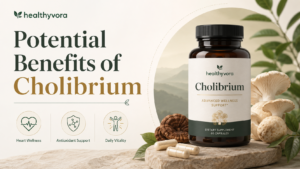
The most reasonable way to discuss Cholibrium benefits is in terms of support rather than treatment. Based on its composition, consumers may consider the formula for the following wellness goals:
- Adding concentrated mushroom-derived compounds to a daily supplement routine.
- Supporting general cardiovascular wellness alongside healthy habits.
- Obtaining antioxidant and polysaccharide compounds from several mushroom species.
- Supporting general vitality rather than targeting a single pathway.
- Using a capsule format instead of preparing multiple mushroom products separately.
These possible advantages should remain secondary to proven cardiovascular strategies. A supplement cannot compensate for smoking, uncontrolled blood pressure, untreated diabetes, high LDL cholesterol, inactivity, or an unhealthy dietary pattern.
Buy Now & Save
Why Cholibrium Matters to U.S. Consumers
Heart-health supplements are widely marketed in the United States, which makes regulatory literacy especially important. The FDA regulates dietary supplements differently from prescription drugs. Dietary supplements are not FDA-approved for safety and effectiveness before they reach the market in the same way that prescription medications are.
This means consumers should be cautious when they see a dietary supplement described online as “FDA approved.” A product can be manufactured in a facility operating under applicable manufacturing requirements without the supplement itself being FDA-approved as an effective treatment.
For Americans concerned about cholesterol, a lipid panel and overall cardiovascular-risk assessment provide substantially more useful information than relying on symptoms. High LDL cholesterol may cause no obvious warning signs, which is why laboratory testing and professional assessment matter.
How to Take Cholibrium
According to the manufacturer’s current directions, adults take two Cholibrium capsules daily, preferably 20 to 30 minutes before a meal with an 8-ounce glass of water, or as recommended by a healthcare provider.
- Read the current Supplement Facts label before beginning.
- Take only the serving specified on the label unless your healthcare provider advises otherwise.
- Use water and follow the manufacturer’s meal instructions.
- Keep your medication schedule unchanged unless your prescriber tells you otherwise.
- If your goal involves cholesterol, continue recommended blood testing rather than judging the supplement by how you feel.
The manufacturer advises storing the product at room temperature, protecting it from excessive heat and moisture, keeping it away from children, and not using it if the safety seal is missing or damaged.
Is Cholibrium Safe?
No dietary supplement can be assumed to be appropriate for every person simply because its ingredients are natural. Mushroom extracts contain biologically active compounds, and individual responses vary.
The Cholibrium label advises users to consult a healthcare provider before use, particularly when pregnant or nursing, living with a medical condition, taking medications, or having known allergies or adverse reactions. The manufacturer’s labeling also states that the product is not intended for individuals under 18.
Who Should Be Particularly Careful?
- People taking anticoagulant or antiplatelet medication.
- People using diabetes or blood-sugar-lowering medication.
- People taking multiple prescription medications.
- Anyone with a known mushroom allergy.
- People with liver or kidney disorders.
- People preparing for surgery.
- Pregnant or breastfeeding individuals.
- Anyone receiving cancer treatment or immunosuppressive therapy.
For example, Memorial Sloan Kettering notes potential bleeding interactions for Reishi and Cordyceps and discusses possible blood-glucose effects with Cordyceps and Maitake. These concerns do not prove that every Cholibrium user will have an interaction, but they are sufficient reason to review the complete supplement with a doctor or pharmacist when medication is involved.
Cholibrium vs. Evidence-Based Cholesterol Management
| Approach | Role | Evidence Position |
|---|---|---|
| Cholibrium | Dietary supplement for wellness support | Finished formula has not been established as a treatment for high cholesterol |
| Heart-healthy diet | Core lifestyle strategy | Recommended as part of cardiovascular risk management |
| Regular physical activity | Supports cardiovascular and metabolic health | Established component of heart-health recommendations |
| Smoking cessation | Reduces major cardiovascular risk | Strongly supported |
| Prescription cholesterol medication | Treats elevated cardiovascular risk when indicated | Supported by clinical guidelines and outcome evidence |
The American Heart Association emphasizes healthy dietary patterns, physical activity, avoiding nicotine, knowing cholesterol numbers, and taking prescribed medication when needed. Current AHA cholesterol guidance specifically states that dietary supplements are not recommended for cholesterol management.
Therefore, someone already taking atorvastatin, rosuvastatin, ezetimibe, or another lipid-lowering therapy should never discontinue it simply because they start a supplement.
What to Check Before Buying Cholibrium
Before purchasing any Cholibrium supplement, focus on verifiable product information rather than dramatic advertising claims.
- Confirm the seller. Compare the listing with current information from Simple Promise and avoid pages that make unsupported medical claims.
- Read the Supplement Facts panel. Formula details may change over time.
- Notice the proprietary blend. Six ingredients currently share a 266 mg blend without individual quantities being disclosed.
- Review your medications. This is particularly important for anticoagulants and diabetes medications.
- Know your baseline. If cholesterol is your reason for considering the supplement, obtain or review an actual lipid panel.
- Set realistic expectations. A supplement should not be expected to replace diet, exercise, medical monitoring, or prescribed therapy.
Common Mistakes to Avoid With Cholibrium
Assuming “Natural” Means Risk-Free
Mushrooms are natural, but concentrated mushroom preparations can still produce adverse effects or interact with medications.
Expecting Cholibrium to Replace a Statin
Cholibrium is a dietary supplement. A prescribed statin or other cholesterol medication should only be changed after consultation with the clinician responsible for your care.
Believing Every Ingredient Study Proves the Formula Works
A study involving one mushroom extract at a particular dose cannot automatically establish that a multi-ingredient supplement will produce the same effect.
Ignoring the Actual Cholesterol Numbers
Feeling energetic or well does not reveal whether LDL cholesterol, triglycerides, ApoB, or other cardiovascular markers have improved. Laboratory measurements are much more meaningful.
Buying Based Only on Testimonials
Customer experiences can describe satisfaction but cannot establish clinical effectiveness. Place greater weight on the label, human research, medication safety, and professional medical guidance.
Why Use HealthyVora When Researching Cholibrium?
HealthyVora approaches supplements such as Cholibrium from a consumer-first perspective. Rather than treating marketing language as medical evidence, the goal is to help readers understand ingredients, compare claims with available research, identify safety questions, and make a more informed decision.
This matters particularly with heart-health products because cardiovascular decisions can have serious consequences. A useful Cholibrium review should therefore explain both why the formula is interesting and where the evidence has limitations. see also.
For U.S. readers, HealthyVora also emphasizes a crucial distinction: dietary supplements and FDA-approved medications do not go through the same premarket approval process. Understanding that difference makes it easier to evaluate health-product claims responsibly.
Is Cholibrium Worth Considering?
Cholibrium may appeal to adults who specifically want a multi-mushroom supplement and understand that its intended role is supportive rather than therapeutic. The formula combines 10 mushroom ingredients in a convenient two-capsule serving, with four major ingredients individually listed at 266 mg and six additional mushrooms contained in a proprietary blend.
The main limitation is evidence. Mushrooms contain biologically interesting compounds, and some individual studies report promising metabolic effects. However, broader human research remains inconsistent, and evidence on individual mushrooms does not establish that Cholibrium itself lowers LDL cholesterol or prevents cardiovascular disease.
For someone with clinically elevated cholesterol, diabetes, hypertension, previous cardiovascular disease, or another major risk factor, medical evaluation should remain the priority.
Final Thoughts on Cholibrium
Cholibrium is a 10-mushroom dietary supplement designed around cardiovascular wellness, antioxidant support, and healthy cholesterol support. Its ingredients include several mushrooms with genuine scientific interest, but the strength of evidence varies substantially, and the complete Cholibrium formula should not be described as a proven treatment for high cholesterol.
The most sensible approach is to consider Cholibrium as an optional supplement within a broader heart-health routine while continuing proven measures such as a balanced diet, regular activity, tobacco avoidance, appropriate laboratory testing, and prescribed treatment when medically necessary.
Before making a decision, check the current product label, review your medications and medical conditions, and discuss the supplement with a qualified healthcare professional when appropriate.
HealthyVora can help you evaluate Cholibrium and other wellness supplements with a clearer focus on ingredients, evidence, safety, and practical decision-making. Use that information as the next step toward choosing products based on facts rather than promises.
Frequently Asked Questions About Cholibrium
1. What is Cholibrium?
Cholibrium is a dietary supplement from Simple Promise containing 10 mushroom ingredients and marketed for heart-health, antioxidant, and healthy cholesterol support.
2. What are the main Cholibrium ingredients?
The formula contains Cordyceps, Reishi, Shiitake, Lion’s Mane, Maitake, Turkey Tail, Chaga, Royal Sun Agaricus, White Button Mushroom, and Black Fungus.
3. Does Cholibrium lower cholesterol?
Cholibrium has not been established through high-quality clinical evidence as a treatment for high cholesterol. Research on individual mushrooms is mixed and cannot prove the effect of the complete formula.
4. Is Cholibrium FDA approved?
No. The FDA does not approve dietary supplements for safety and effectiveness before marketing in the same way it approves prescription drugs.
5. How do you take Cholibrium?
The current manufacturer directions recommend two capsules daily, preferably 20 to 30 minutes before a meal with an 8-ounce glass of water, unless a healthcare provider recommends otherwise.
6. Can Cholibrium replace cholesterol medication?
No. Do not replace or discontinue prescribed cholesterol medication with Cholibrium unless your healthcare professional specifically changes your treatment plan.
7. Can Cholibrium cause side effects?
Individual reactions are possible. Mushroom extracts may also interact with medications, including some blood thinners and glucose-lowering drugs.
8. Who should talk to a doctor before using Cholibrium?
People taking medications, pregnant or breastfeeding individuals, people with medical conditions or mushroom allergies, and anyone preparing for surgery should seek professional advice before use.
9. Is Cholibrium a mushroom supplement?
Yes. Its formula is built around 10 mushroom ingredients, including Reishi, Cordyceps, Shiitake, Lion’s Mane, Maitake, and several additional mushroom extracts.
10. What should I check before buying Cholibrium?
Check the current Supplement Facts label, seller identity, ingredient quantities, medication interactions, refund terms, and whether your health goal requires professional medical evaluation.